Petra Lang · 2 September 2026
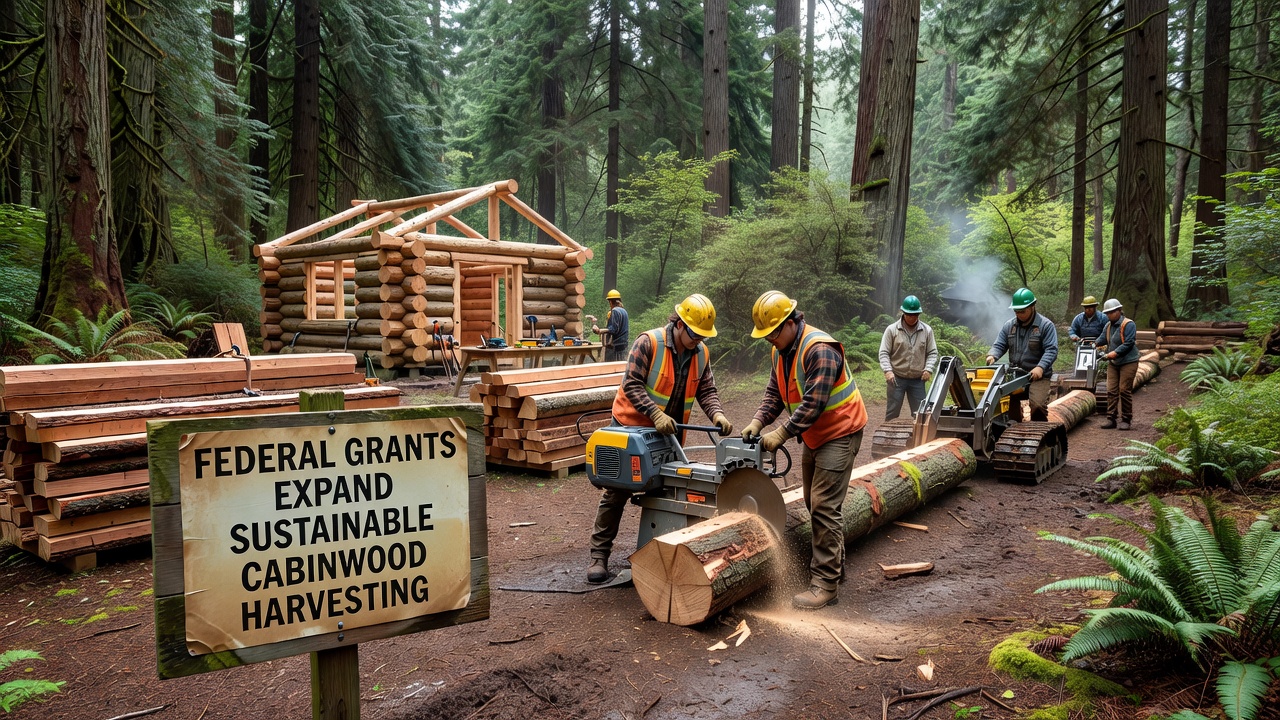
The U.S. Department of Agriculture has announced a series of federal grants designed to expand sustainable cabinwood harvesting programs nationwide. These initiatives focus on providing financial support to forestry operations that adhere to strict environmental standards. Cabinwood, valued for its durability in home building, benefits from these efforts as demand for sustainable materials grows among homeowners interested in eco-conscious living. The grants prioritize selective cutting methods and reforestation to ensure long-term resource availability.
Details of the Grant Program
The grants, amounting to $25 million over the next three years, target regions with abundant forest lands. Eligible applicants include timber companies, nonprofit organizations, and university research teams. The funding will cover equipment upgrades for low-impact logging, development of certification systems for sustainably sourced cabinwood, and community education campaigns. Officials emphasize that these measures will help maintain forest health while meeting the needs of the construction sector, particularly for companies like those producing cabin-style homes. Furthermore, the program includes provisions for monitoring and reporting to ensure compliance with sustainability metrics. This includes tracking tree regrowth rates and wildlife populations in harvested areas. By investing in such programs, the federal government aims to set a precedent for responsible resource management across the industry. Additional allocations support worker training in reduced-impact techniques and climate-resilient species selection.
Implications for Cabinwood Homes
Sustainable harvesting directly supports the mission of Cabinwood Homes and Living by ensuring a steady supply of high-quality, responsibly sourced materials. Builders can now access certified cabinwood that reduces the environmental impact of new constructions. This development is expected to lower material costs over time and encourage more families to choose cabin living options that are both affordable and green. Experts note that expanded programs will also foster innovation in wood processing techniques that minimize waste. Local communities stand to gain from increased employment opportunities in forest management and related fields. Overall, the grants represent a significant step toward integrating economic development with ecological preservation in the timber sector. The initiative is part of broader efforts to combat climate change through better land use practices and biodiversity protection.