Petra Lang · 2 September 2026
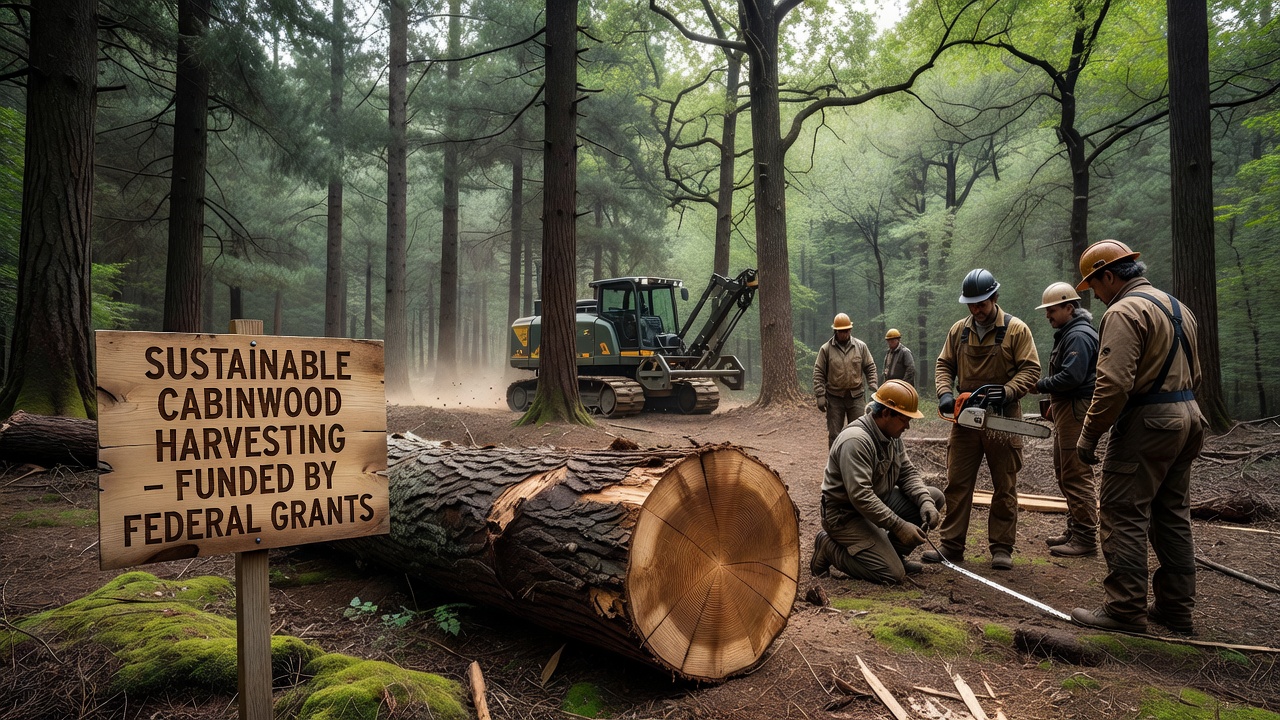
The federal government has allocated significant resources through new grants designed to bolster sustainable cabinwood harvesting programs nationwide. This initiative comes as part of efforts to promote renewable building materials and support environmentally conscious lifestyles centered around cabinwood homes and living.
Details of the Grant Program
The grants, administered by the Department of the Interior in collaboration with the Forest Service, amount to approximately 20 million dollars over the next three years. Recipients include nonprofit organizations, universities, and small businesses focused on forestry. The primary objectives are to enhance harvesting efficiency while preserving old-growth forests and encouraging reforestation efforts. Sustainable cabinwood harvesting involves methods such as single-tree selection and avoidance of clear-cutting, which help maintain forest canopy and wildlife habitats. Training workshops funded by the grants will educate harvesters on best practices, including the use of low-impact machinery and GPS mapping for precise operations. Research components will study the long-term effects of these practices on cabinwood tree populations, aiming to develop guidelines that can be adopted internationally. Local communities in regions like the Pacific Northwest and Appalachia are expected to see direct benefits from the funding. These areas have long been sources of high-quality cabinwood, and the grants will help modernize operations to meet growing demand from home builders specializing in sustainable structures.
Broader Impacts on Industry and Environment
Economically, the expansion is projected to generate new employment opportunities in logging, processing, and related sectors. It also supports the market for cabinwood homes by ensuring a consistent supply of certified sustainable materials. Consumers interested in green living will have greater access to homes built with responsibly harvested cabinwood, which offers superior thermal performance and aesthetic appeal. Environmentally, the programs contribute to carbon sequestration through better forest management and reduced emissions from optimized harvesting. Biodiversity conservation is another key focus, with measures to protect endangered species in cabinwood forests. Overall, this federal support underscores the importance of integrating economic development with ecological stewardship in the cabinwood sector. The initiative also encourages collaboration with international partners to share knowledge on sustainable practices, potentially influencing global standards for wood harvesting in residential construction.